
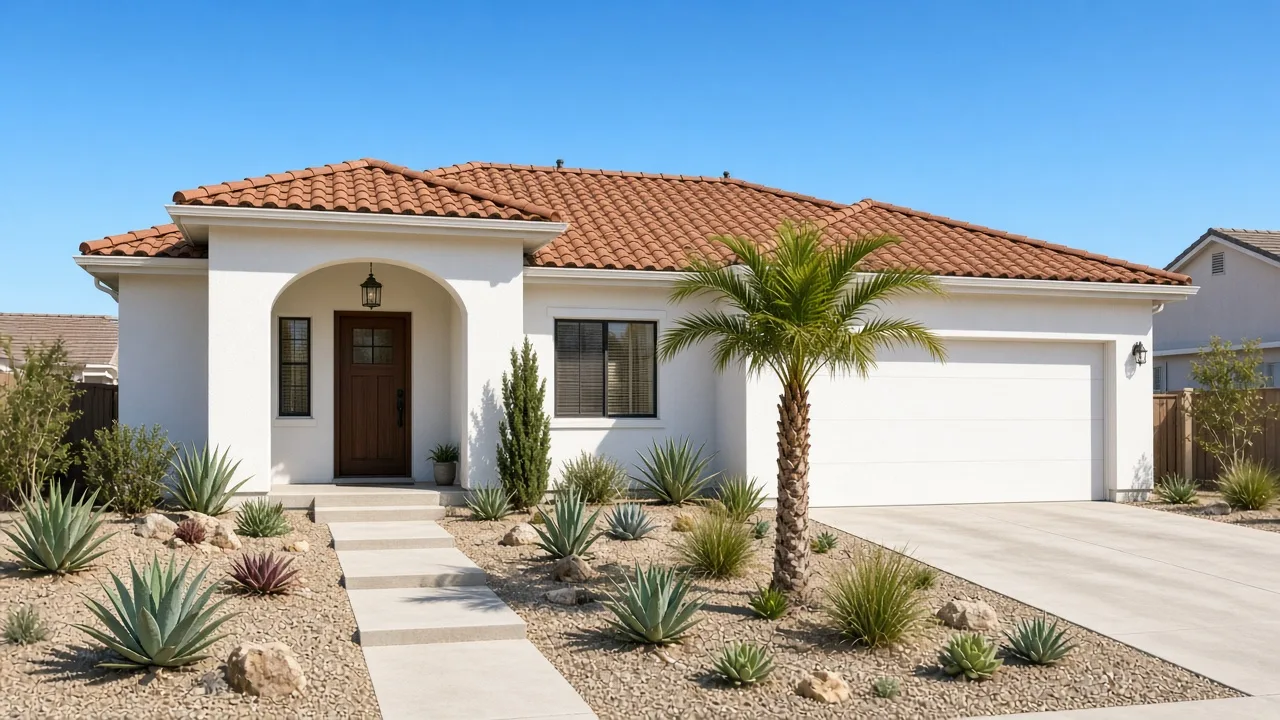
Why does pricing decide how fast your home sells?
The first two to three weeks a home is on the market are its best shot at maximum attention. New listings get the strongest traffic from buyers and agents, which is why pricing matters more than almost anything else you control. A home priced at or just below what the market supports gets that wave of interest and usually turns it into an offer. A home priced above it gets the same traffic, then goes quiet as buyers compare it with the other homes in their search.
Pricing is not about picking a number you like. It is about finding the number the market will pay, and the data below is the honest way to get there. In the Inland Empire in fall 2026, that means pricing against current comparable sales, not against last year and not against the amount you owe.
How do agents actually price a home?
Agents price homes with comparables, or comps: recent sales of homes like yours in your immediate area. The strongest comps are homes that sold within the last three to six months, are similar in size, age, layout, and condition, and sit in the same neighborhood or school attendance area. The agent then adjusts for the differences: a remodeled kitchen, a bigger lot, a view, an extra bathroom, or deferred maintenance.
Three lists matter, not just one. Recent solds show what buyers have actually paid. Active listings show what you are competing with right now. Pending sales show where prices are heading. A good pricing analysis reads all three, and it also pays attention to days on market, because a home that sat for 90 days and then sold below asking tells you how overpriced the first price was.
Price per square foot is a quick shorthand, but only shorthand. A home with a pool, a corner lot, and a full remodel can all carry different per-foot values. The comps, adjusted for the differences, are the real answer. If you want a ZIP-level read, the free home value estimate Julian prepares starts from these same comps.
What is the current Inland Empire market telling sellers?
The California Association of Realtors (C.A.R.) September 2026 report put the median price of an existing single-family home in Riverside and San Bernardino counties at $601,030, up 1.7 percent year over year, with a median of 41 days on market and an unsold inventory index of 4.7 months, per the C.A.R. September 2026 home sales and price report. The Homes.com Inland Empire report for August 2026 put the two-county median sale price at $580,000 with a median of 59 days on market and homes selling at 97 percent of their final list price.
Two numbers matter most for pricing. First, inventory sits around 4.5 to 5 months, the balanced zone, so homes are not flying off the market the way they did in 2022. Second, homes are selling at 97 percent of list price, which means well-priced homes still get offers essentially at asking. The full breakdown is in the November 2026 market snapshot, but the pricing takeaway is direct: price against current comps and offers come close to asking. Price above the data and you absorb the slowdown yourself.
Regional medians blend fast and slow pockets. A home in Redlands or Yucaipa can price quite differently from one in a newer master-planned community, which is why the comps in your ZIP carry more weight than the regional headline.
What happens when you overprice a home?
Overpricing is the most common and the most expensive mistake. The home gets the initial burst of traffic, buyers tour it, compare it with everything else in their search, and move on. After a few weeks the listing goes stale: new inventory pushes it down the results, agents stop showing it, and the showing count drops to near zero.
Then the price gets cut, and a price cut signals something to buyers, fairly or not. By the time the home reaches a realistic number, it has been on the market for 60 to 90 days, buyers wonder what is wrong, and the offers come in below even the new price. The home often nets less than it would have if it had been priced right on day one, because the freshness is gone.
What happens when you underprice a home?
Underpricing is the other side of the coin. In a hot neighborhood it can work: a price set below the comps draws multiple offers and can push the final number to or above fair market value. That is a real strategy, and in parts of the Inland Empire with low inventory it still plays out.
But in a balanced market it is riskier. Homes sell at 97 percent of list price on average, so a price set far below market often just sells fast at that lower number, with no bidding war to rescue it. The honest approach is to price at the market value the comps support and let the interest do the work. If you want the strongest possible net, you typically get it from a well-priced listing that starts a competition, not from a price that leaves money on the table.
How do repairs and condition affect your price?
Condition is one of the biggest adjustments between comps. Two homes on the same street with the same floor plan can differ by tens of thousands of dollars based on what a buyer sees and what the inspection finds. A home that needs a roof, a new water heater, or updated electrical will be priced against that work, whether through a repair request, a credit, or a lower offer.
You have three honest choices: fix what is cheap and high-impact before listing, price for the repairs and let the buyer handle them, or sell as-is at a price that reflects the condition. The repairs before selling Q&A walks through when fixes pay off, and the home inspection article explains what buyers will check. Whichever path you choose, California law requires you to disclose known defects, so a hidden problem is usually a bigger problem later.
What do seller costs do to your net price?
The price on the listing is not the number you take home. Seller costs reduce the gross price, and they are larger than most sellers expect. Real estate commissions are the biggest line: the Clever Real Estate 2026 survey of California agents put the average total commission at about 5.08 percent, split between the listing and buyer's agents. Other closing costs, including title insurance, escrow, transfer taxes, prorated taxes, and recording fees, add roughly 2.7 percent of the sale price on average, putting a typical seller's total between 6 and 10 percent of the sale price.
That is why net proceeds matter more than list price. A home that sells for $600,000 with 6 percent in seller costs leaves about $564,000 before any payoff on your mortgage and liens. The cost to sell Q&A breaks this down, and Julian runs a net-proceeds estimate as part of the free home value estimate, because the number you keep is the number that matters.
How do you choose between a listing, a cash offer, or a hybrid?
Once you know the market value, the next question is how you want to sell. A traditional listing chases maximum exposure and usually the highest net price, which is why it is the right default for a home that shows well and a seller who is not in a rush. A cash offer trades some proceeds for speed, certainty, and no repair contingencies, which suits homes that need work or sellers on a tight timeline. A hybrid or bridge path can coordinate the sale with your next purchase.
Julian lays the options out side by side on the compare selling options page, and the Smart Seller Method is one structured approach for getting a home market-ready and priced from the data. These are options, not guarantees: every route is subject to eligibility and written terms, and no particular price, offer, or timeline is promised. The honest starting point for any of them is a market value you trust.
When should you adjust your price after listing?
Even a well-priced home can need a price adjustment, and the market tells you when. Watch the data, not your feelings: how many showings, what buyers say, how the home compares with what sold, and how long it has been on the market. In a market where the median is roughly 41 to 59 days, a home that is priced well but quiet after the first few weeks usually needs a positioning change, which may be a price adjustment or a marketing change.
A small, early adjustment beats a large, late one. A 3 to 5 percent move after two to three weeks of real feedback can restart the freshness clock and bring a new pool of buyers. Waiting 90 days to make a 10 percent cut is usually the most expensive option of all, because the listing is stale and the market assumes something is wrong. The market reports page is built to give you that ZIP-level data before and during the process.
The bottom line on pricing your Inland Empire home
The market sets the price; your job is to find it and use it. In fall 2026 that means pricing against current comparable sales in a balanced market where well-priced homes still sell near asking. Overpricing is usually the most expensive mistake, and condition, seller costs, and your timeline all belong in the math before you commit to a number.
If you want your home priced honestly, start with the free home value estimate, then compare your selling options. Or just talk it through: book a free, no-pressure call on the schedule page, call 951-456-4209, or email info@searchsocal.com. Julian Cesar, AI-Certified Agent, Search SoCal Real Estate, Compass. Agent license CA DRE #02015349; broker: Compass, CA DRE #01527365.
Frequently asked questions
What is a CMA and why does it matter?
A CMA, or comparative market analysis, compares your home with recent sales, active listings, and pending sales in your area, adjusted for size, condition, and features. It is the same evidence Julian uses to set a listing price, and you can get one free through the home value estimate.
Should I price my home slightly below market to start a bidding war?
In a low-inventory neighborhood, a below-market price can attract multiple offers, but in a balanced market it often sells fast at that lower number. Pricing at the market value the comps support is the safer route to the strongest net proceeds.
How much do I have to pay in seller closing costs?
Commissions average about 5 percent of the sale price in California per Clever's 2026 survey, with other closing costs adding roughly 2.7 percent, so plan for 6 to 10 percent total before your mortgage payoff.
Does overpricing actually cost me money?
Often, yes. An overpriced home goes stale, then takes a price cut, and by then buyers are skeptical. The home frequently sells below where it would have if it had been priced right from day one.
Do I need to make repairs before selling?
Not all of them. Fix the cheap, high-impact items, price for the bigger ones, or sell as-is at a price that reflects the condition. California requires you to disclose known defects either way.