
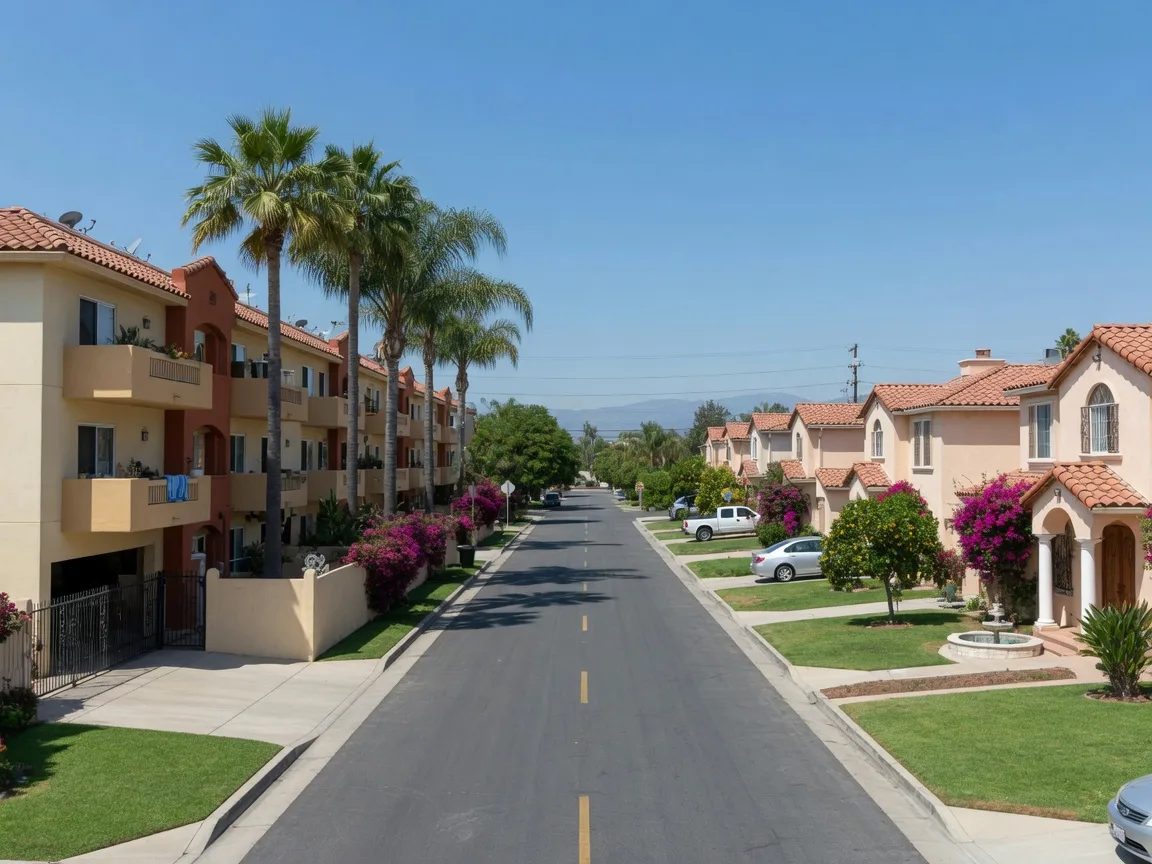
The rent-versus-buy question in Southern California is not a one-size-fits-all formula: it depends on how long you plan to stay, how much you can save for a down payment, and how much flexibility you need. This guide lays out both sides of the ledger honestly so you can decide based on your own numbers instead of a headline.
Start with the horizon: how long will you stay?
The single most important variable is time. Buying a home comes with one-time costs, from inspections and closing costs to furnishing and immediate repairs, that take years to overcome through appreciation and principal paydown. A common rule of thumb is to plan on owning for at least five to seven years before the math reliably beats renting. If your next five years look stable, buying starts to make sense. If a move could come sooner, renting keeps you flexible.
The math on the monthly payment
A mortgage payment includes principal and interest, but owners also carry property taxes, homeowners insurance, and maintenance. Rents in California are high, yet ownership has costs beyond the loan payment that renters never see. The honest comparison is not mortgage versus rent, it is full cost of ownership versus rent plus the growth of whatever you would have invested instead of tying up in a down payment.
Building equity takes time, and patience
Early mortgage payments go mostly to interest, so equity builds slowly at first. In fast-moving Southern California markets, appreciation can accelerate that timeline, but nobody can guarantee future values. Treat home equity as a long game, not a short-term trade, and you will never be disappointed by a slow first year.
Down payment: the biggest practical hurdle
Coming up with a down payment is usually the hardest step in Southern California, where prices are high. The good news: conventional loans commonly start around 3 to 5 percent down, FHA loans allow as little as 3.5 percent, and first-time buyer and down payment assistance programs exist at the state and county level. Talk to a lender early to learn what is realistic for you, and make a savings plan that treats the down payment like a monthly bill.
Hidden costs on each side
- Owner costs: property taxes, insurance, HOA fees, maintenance, major repairs, and the opportunity cost of your down payment.
- Renter costs: rising rent, no equity, limited control over improvements, and move costs whenever you relocate.
- Either way: utilities, furnishings, and the cost of your time.
Signs you might be ready to buy
- You plan to stay put for at least a few years.
- You have a healthy down payment fund and steady income.
- Your monthly budget can absorb real ownership costs, not just the mortgage.
- You want control of your space, your pets, and your projects.
- You understand that a home is a long-term investment, not a quick win.
Common questions
Is it better to rent or buy in Southern California in 2026? It depends on your timeline and savings. Stable plans of five or more years tilt toward buying; shorter or less certain plans favor renting. Run both numbers with a lender and an agent.
Can I buy with a small down payment in California? Yes. Conventional loans commonly start around 3 percent down and FHA around 3.5 percent, and assistance programs may help depending on where you buy.
What is the strongest reason to rent? Flexibility. If a job change, family plan, or lifestyle shift could move you within a few years, renting protects your ability to pick up and go.